Posted on — Leave a comment

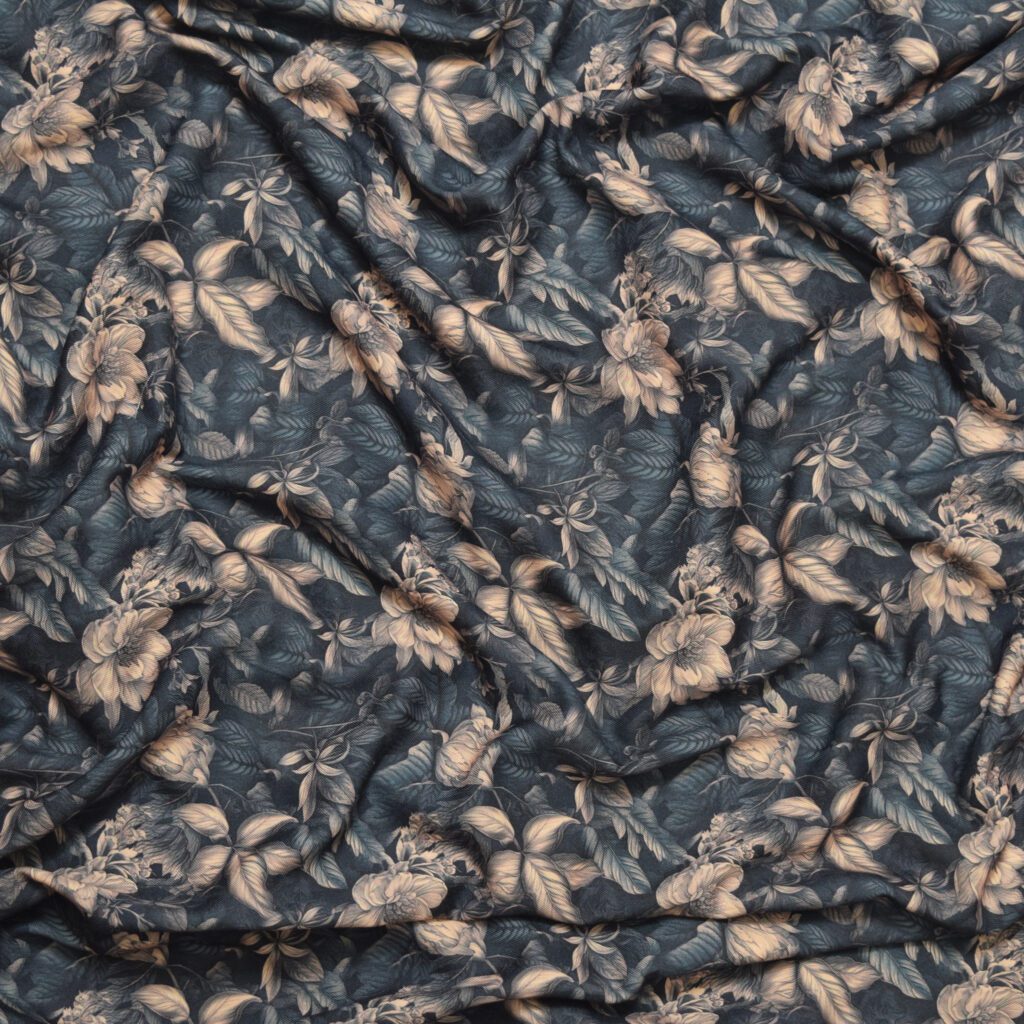
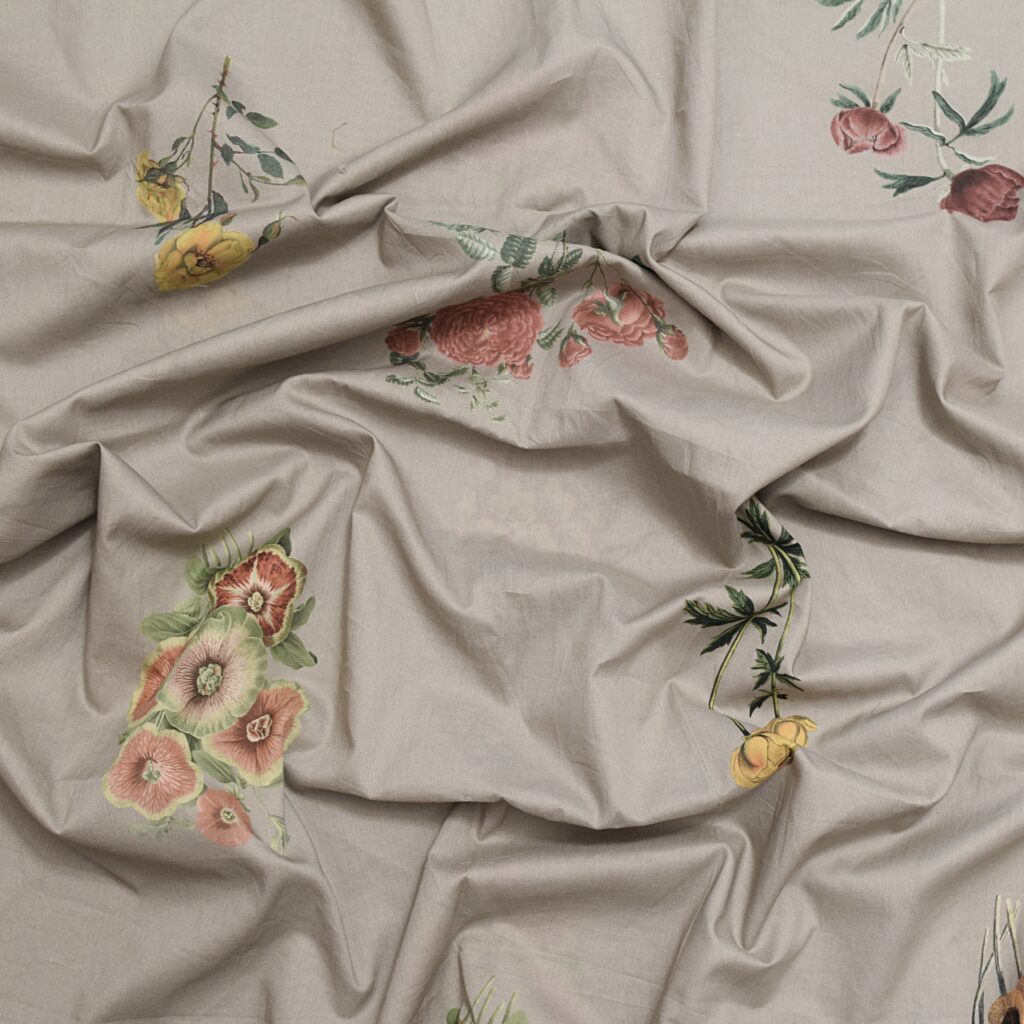
Cotton: The Fabric of Comfort

Imagine a fabric that feels like a gentle embrace against the skin, keeps you comfortable through the warmest days, and never loses its charm, no matter how fashion trends change. That is the beauty of cotton. Simple yet timeless, natural yet versatile, cotton is more than just a fabric; it is an everyday essential that has been cherished across generations.

From the crisp elegance of a freshly pressed cotton kurta to the effortless grace of a handwoven cotton saree, this fabric has a unique ability to make comfort look beautiful. Its softness, breathability, and natural appeal have made it a favorite across cultures, seasons, and lifestyles.

Deeply rooted in India’s rich textile heritage, cotton carries a story of craftsmanship, tradition, and creativity. It has been transformed into countless weaves, prints, and textures, each reflecting the artistry and cultural identity of the regions where it is made. Whether adorned with intricate block prints, delicate embroidery, or left in its understated natural beauty, cotton has an enduring charm that never goes unnoticed. In a world where fashion is constantly evolving, cotton remains a reminder that true style does not always have to be extravagant. Sometimes, the greatest luxury lies in feeling comfortable, confident, and effortlessly yourself.
Posted on — Leave a comment

Georgette: The Fabric That Moves with Grace

There are fabrics that bring style, movement, and charm to every outfit, and Georgette is one of them. Known for its lightweight texture, soft drape, and slightly crinkled surface, Georgette has become a classic favorite in the world of fashion. Its graceful appearance and versatility make it a popular choice for both traditional Indian attire and contemporary Western wear.

Georgette is much more than just a beautiful fabric; this adds a touch of femininity and refinement to every creation. The fabric is named after the French dressmaker Georgette de la Plante and became popular in the early twentieth century; accessible in a wide range of designs and colors.

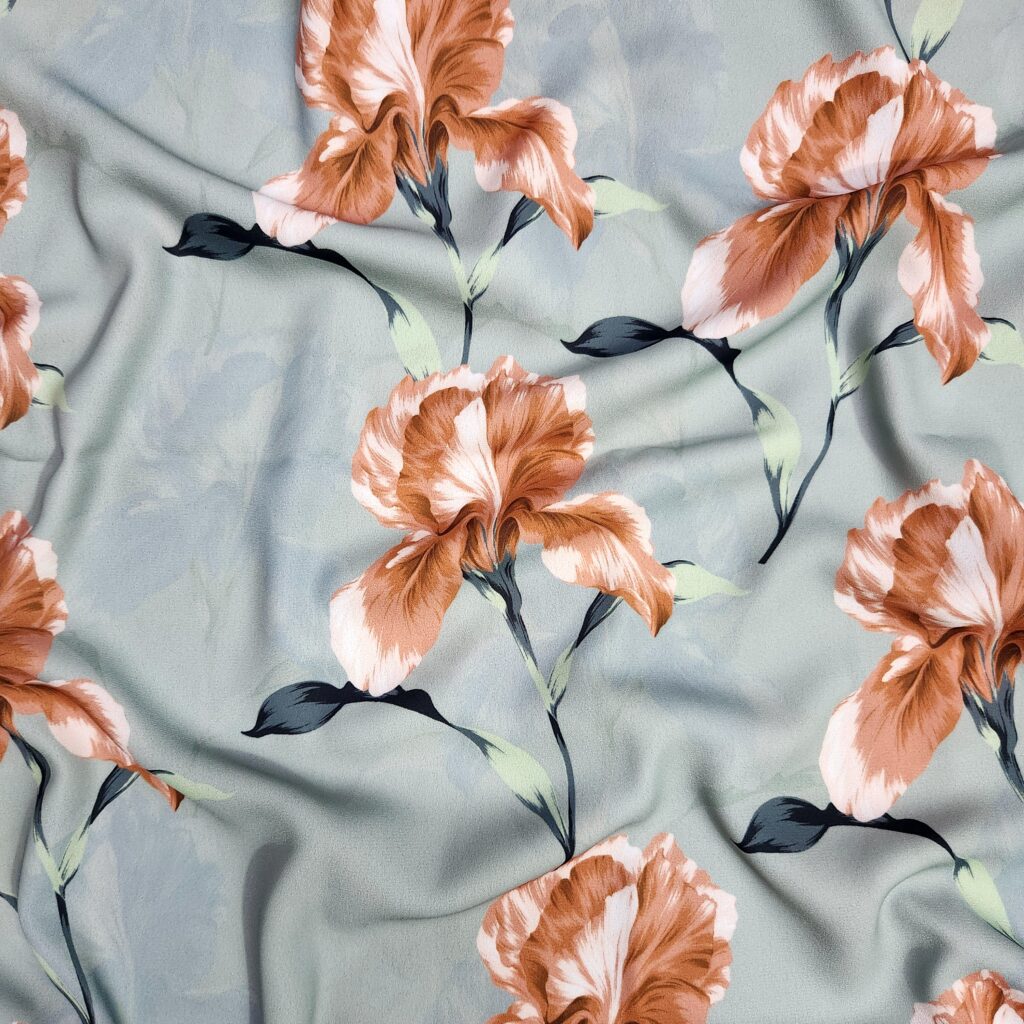
What makes Georgette truly distinctive is its slightly rough, crinkled texture, created by the use of highly twisted yarns. Unlike smooth fabrics such as satin, Georgette has a matte finish that gives it a subtle elegance. It is lightweight, breathable in many of its forms, and flows beautifully with body movement, making it ideal for garments that require a soft and flattering drape.

Another remarkable feature of Georgette is its versatility. It comes in vibrant colors, printed with intricate patterns, embellished with embroidery, or decorated with sequins and beads. From delicate floral prints to rich traditional motifs, Georgette adapts to different fashion trends and personal styles.

In Indian fashion, Georgette holds a special place because of its ability to blend traditional craftsmanship with modern design. It is widely used in stoles and dupattas. Its fluid texture allows designers to create graceful silhouettes that are both comfortable and visually appealing.

In an ever-changing fashion industry, Georgette continues to remain relevant because of its adaptability. Whether chosen for everyday or grand celebrations, it proves that a fabric does not need to be heavy or elaborate to make a lasting impression.

Styling Georgette: With sarees, with salwar suits and kurtas, with lehengas, with western outfits, for weddings and special occasions.

Posted on — Leave a comment

Pashmina: India’s Finest Fabric

There are fabrics that tell stories of history, culture and craftsmanship; and Pashmina is one of them. Renowned for its softness, texture, and warmth; this luxurious fabric has been cherished for centuries and continues to hold a special place in India’s rich textile heritage.

Originating from the high-altitude Himalayan; pashmina is much more than a luxurious textile. It represents the relationship between nature and human ingenuity, the dedication of generations of artisans, and the enduring appeal of handcrafted products in an increasingly industrialized world.

The word pashmina is associated with pashm, a term referring to the fine undercoat fibre of certain Himalayan goats. This rare fibre is transformed through careful processing, delicate spinning, intricate weaving, and sometimes elaborate embroidery into shawls, scarves, wraps, and other elegant accessories.

What makes pashmina truly remarkable is its combination of qualities. It is incredibly light yet insulating, delicate yet capable of lasting for generations when properly cared for. Its understated beauty makes it equally suitable for traditional Indian attire and contemporary international fashion.

In an era when fast fashion dominates many markets, pashmina reminds us of the value of patience, skilled workmanship, and responsible appreciation of traditional crafts.

Styling Pashmina: With sarees, with salwar suits and kurtas, with western outfits, for weddings and special occasions.